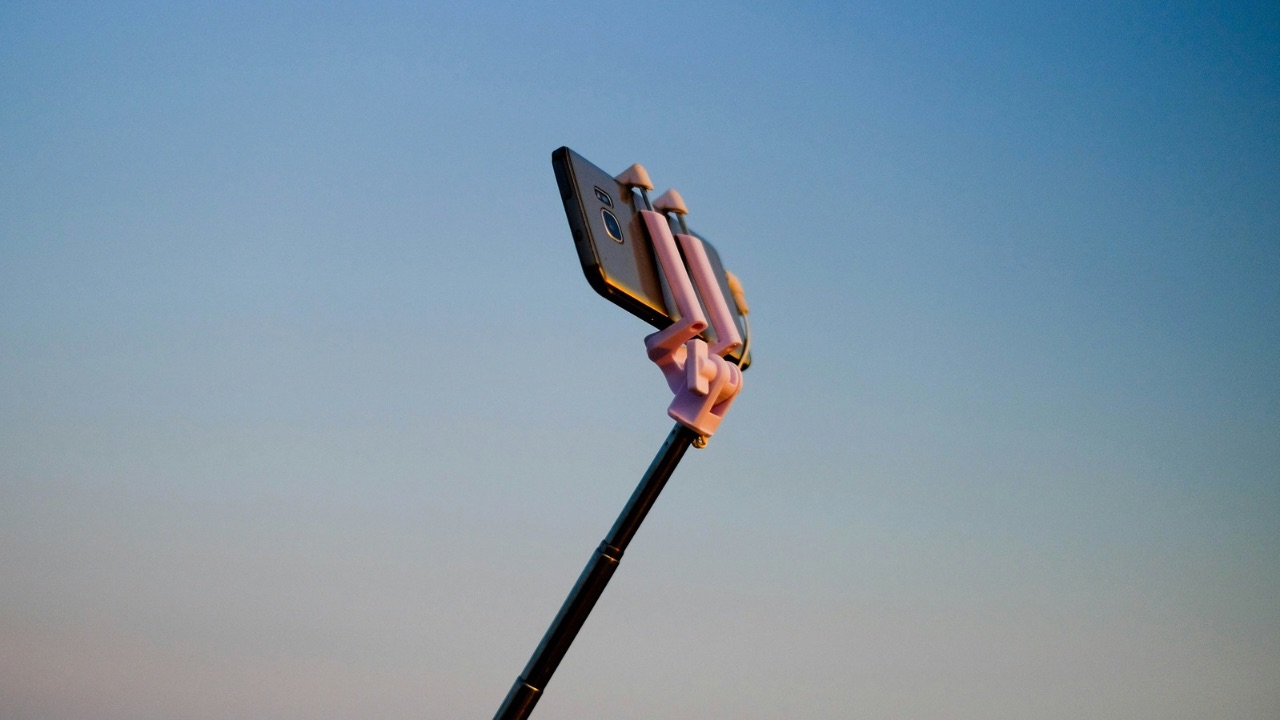
Perhaps the most distorting thing the social media century did to our generation was mess with our self-perception. It forced us not only into selfie culture but also into nitpicking every little spot and comparing ourselves, asking, “Why do I not look good in pictures like everyone else?” While capitalism monetized that insecurity with filters, makeup, and skincare, it didn’t quite address the root of that discomfort.
I have observed two very specific behaviors: people who meet me in person after finding me on social media are often wowed by my beauty, while those who see my pictures after knowing me in person tell me I look “different.” Initially, this was jarring. Did I only look good in photos? Over time, I realized that the reason we look different in person and in images comes down to two things: Conditioned Perception of Beauty and Lesser Personal Observation.
1. Conditioned Perception of Beauty
Our idea of beauty is filtered through cultural background, self-acceptance, and exposure to rarity.
- Cultural Background: In Eastern cultures, the obsession with white skin persists, driven by a global skin-lightening market projected to reach $11.8 billion by 2026. Conversely, Western cultures admire tanned skin as a symbol of leisure and rarity.
- Complexes of Race: Colonialism has left deep impacts on what a culture perceives as “beautiful.” Statistics show that in many post-colonial societies, Western features are still disproportionately represented in high-end advertising, influencing what we recognize as “valuable.”
- Level of Self-Acceptance: We love and accept people based on our own level of self-acceptance. If we seek flaws in ourselves, we are conditioned to seek them in the mirror and in the lens.
2. Lesser Personal Observation (LPO)
Lesser Personal Observation is the time we spend observing people who do not appear foreign. Our brain is wired to pick up on things that are rare. While most people are beautiful, their beauty isn’t “abnormal” enough to be noticed by a brain seeking rarity.
When judging a picture, we use analytical observation, nitpicking every detail. In the mirror, the “movement of life” lessens this harsh observation.
How to Look More Like Yourself in Photos
To bridge the gap between your reflection and your photos, you must understand the physics of the refracted self.
1. Understanding Angles and Focal Length
We look better in the mirror because we see ourselves at eye level. Camera lenses, however, introduce distortion. A wide-angle smartphone lens (typically 24mm) can expand the center of the face, making the nose appear larger and the ears smaller.
- The Fix: Always keep your camera lens at eye level to give the most accurate representation of your true proportions.
2. Understanding Light and Shadow
Lighting determines the “sculpture” of your face. Depending on the side of the light source and the shadow cast, significant distortion can happen.
- The Fix: Direct, soft light falling on the face reduces harsh shadows that the brain interprets as “flaws.”
3. Understanding Movement
People recognize faces through motion, not static pixels. A soft smile, a laugh, or natural eye movements significantly improve the candidness of an image.
- The Fix: Don’t hold a pose; capture a moment. Use a “burst” mode to find the millisecond where your presence matches your structure.
4. Developing Creative Judgment
Even with every tip, it is normal to photograph badly. Professional photographers often take hundreds of shots to produce one that feels “real.” The difference between you and a “photogenic” person is often just the volume of attempts and the grace of selection.
Closing thought
So, next time find yourself wondering, ‘why I look different in photos vs the mirror, know that a photograph maps your physical dimensions, whereas real life broadcasts your energy. Your attractiveness stays the same; these two systems just process your image through different lenses.

Hey there! I’m Tahlia and nice to meet you.
I’m a dentist by graduation and a content creator by interest. I live in Malnad, IN. I tap my feet to the rhythm of music and love reading books. Photography and eating Pani Puri are some of my other favourite things.
Leave a Reply